
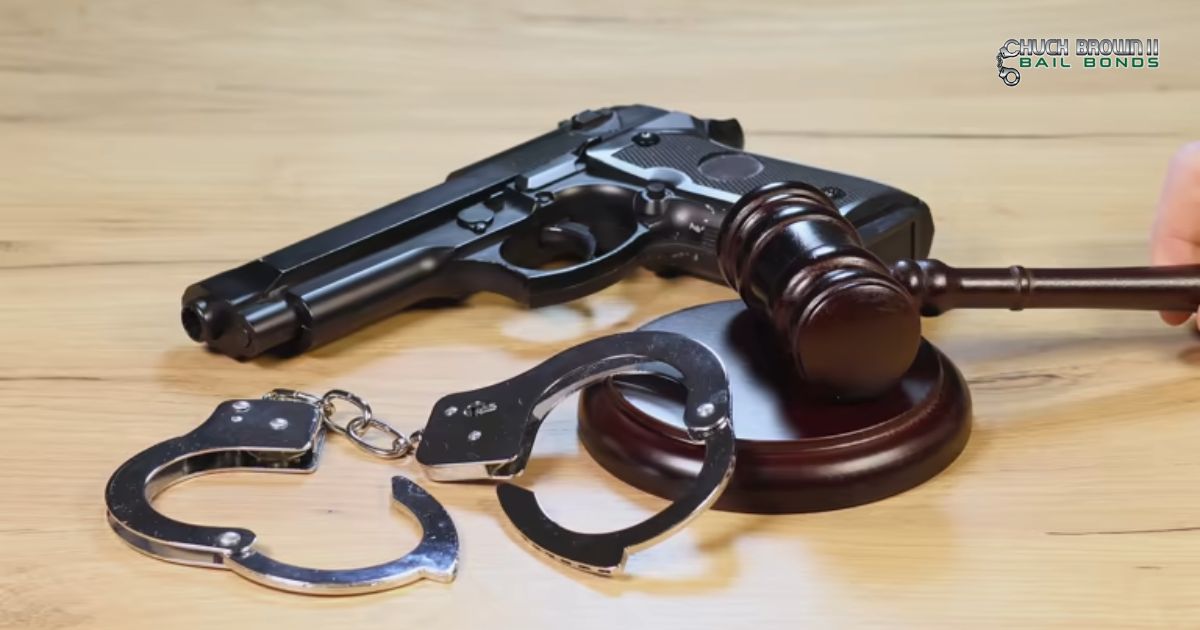
Trouble can hit fast. One moment, life feels normal. The next moment, someone you care about is in jail. When this happens, your mind races for answers. You might look up bail for weapons disability charge Ohio and try to make sense of it. You want freedom, but you wonder how this all works. Breathe. You are in the right place. Let’s break this down in real, clear steps.
What Happens After an Arrest?
When someone gets arrested, a judge decides if they can go home before trial. The judge looks at the case. Then they set a bail amount. If someone is charged with a weapons disability offense, the bail amount might be higher than for minor charges. Still, bail gives a chance to stay out of jail while the case moves forward.
Here’s the Bail Bond Role in Simple Words
A bail bond is a promise. The bail bond agent promises the court that the person will show up for all their court dates. In return, the agent posts the bail amount so the person gets out of jail sooner.
If someone doesn’t show up, the court might keep the bail. Then the agent might take steps to make things right.
How the Bail Bond Process Actually Works?
Here’s a clear, step-by-step view:
- Someone gets arrested and booked.
- The court sets a bail amount.
- A family member calls a bail bonds agent.
- The agent explains the cost and terms.
- You sign paperwork and pay a fee.
- The agent posts bail with the court.
- The person is released from jail.
This is not legal advice. It’s how the system works, so you can get someone out of jail quickly and safely.
Why Bail Bonds Are Used a Lot in the U.S.?
The bail bond system plays a big role in the U.S. justice process. About 2 million people use bail bonds each year across the country. Bail bond companies post billions of dollars in bail every year so people can leave jail while they wait for court.
The U.S. commercial bail bond industry brings in around $2.6 billion yearly, and more than 10,000 bail bond businesses operate nationwide. There are also about 15,000 licensed bail agents who help release over 2 million people each year, including cases like weapons under disability bail Ohio, where fast action matters.
These numbers show one thing clearly: people rely on bail bond services every day, especially during urgent and stressful situations.
Why This Stat Matters to You?
These numbers mean that bail bonds are not rare. They are used every day. They help people stay out of jail so they can work, care for their families, and prepare for court. That matters when someone faces a weapons disability charge and time is ticking.
What You Pay and Why?
Bail bond agents usually charge a fee based on the bail amount. This fee is a percentage that the agent keeps for their service. You don’t get this back; it’s the agent’s payment for helping with the release.
For example, if bail is set at $10,000, the bond agent might charge a fee that is a portion of that. You pay the fee so the agent can post bail at the courthouse.
Read Also: How Bail Agents Help in Fentanyl Possession Cases
How Rules Tie to Release?
Getting out of jail is just part of it. The court often sets other rules after release. These might include:
- Stay away from certain places
- No contact with certain people
- Follow check-in requirements
- Don’t break other laws
If the person breaks a rule, the court can cancel bail. Then they might go back to jail.
What Family Members Should Know?
If you call for help, keep details handy:
- Full name of the arrested person
- Booking number
- Jail location
- Type of charge
This helps the bail bonds agent work fast. Every minute counts when someone is stuck behind bars.
Why Speed Matters in Weapons Disability Cases?
Being in jail is hard for anyone. People lose jobs. Kids wait at home. Bills stack up. The faster someone gets out, the sooner life gets steady again.
Also, judges sometimes look at how quickly bail gets posted. Fast action shows responsibility. It can affect future court decisions.
Truth About Bail Bonds vs. Legal Help
A bail bonds agent is not a lawyer. They help with getting someone out of jail. They don’t fight the case in court. They don’t give legal advice. Their job starts after arrest and stops when bail is posted.
That matters because you might need a lawyer for the legal side of the charge, and a bond agent for the freedom side.
Safety and Follow-up
Once someone is out, they still have to show up to court on their scheduled dates. Judges expect attendance. Bail agents expect it too. If someone fails to appear, the agent might take steps to ensure they do show up. This keeps everyone on track.
How This Helps You Think Clearly?
You might feel lost, overwhelmed, or scared. That is normal. But knowing how bail bonds work takes away some fear. You see the path to freedom. You understand costs and roles. You know what to do next.
Final Remarks
When someone you care about faces a charge like this, you want help that works fast and makes sense. Bail bond services move quickly, so you don’t stay stuck in worry.
If you need support for bail for weapons disability charge Ohio, remember you are not alone. There are teams ready to help, night and day. And there are experienced agents who will walk you through the process step by step.
Chuck Brown II Bail Bonds is here to answer your calls at any hour, every day. We help families navigate the bail process with clear talk and fast action. We know Ohio jails and courts, and we work beside you when things feel heavy. You can count on our team when you need help most.
Read Also: Can You Bail Someone Out on the Weekend? A Quick Guide
Frequently Asked Questions
Q1:Can someone get bail for a weapons disability charge in Ohio?
Yes, courts often allow bail, but judges may set higher amounts and strict release rules.
Q2:Who can arrange bail after a weapons disability arrest?
A family member, friend, or trusted adult can contact a bail bond agent.
Q3:How fast can someone get released after bail is posted?
Release usually happens within hours, but jail processing times can vary.
Q4:Do bail bond agents give legal advice for the charge?
No, agents only handle release. A defense lawyer manages the legal case.
Q5:What happens if court dates get missed after release?
The court can cancel bail, issue a warrant, and send the person back to jail.
Q6:How much jail time for weapons under disability in Ohio?
Having weapons while under disability is a third-degree felony in Ohio. Under Ohio’s felony sentencing law, an applicable third-degree felony can carry a prison term of 9, 12, 18, 24, 30, or 36 months. The sentence imposed depends on the sentencing provisions that apply to the particular offense and case. Ohio Revised Code § 2923.13 specifically classifies having weapons while under disability as a third-degree felony.
Q7:What are the restrictions on weapons under disability in Ohio?
Ohio law prohibits a person who falls under a listed weapons disability from knowingly acquiring, possessing, carrying, or using a firearm or dangerous ordnance. The disability categories include certain felony convictions or indictments involving violence or drugs, fugitive status, drug dependency or chronic alcoholism, and certain court-ordered mental-health conditions. Simply finishing a criminal sentence does not automatically remove every weapons disability under Ohio law.
Q8:How can I get relief from weapons disability in Ohio?
Ohio Revised Code § 2923.14 allows an eligible person to apply for relief from a weapons disability in the Court of Common Pleas in the county where the person lives. The application must identify the conviction, indictment, adjudication, or other factor that caused the disability and provide facts showing that the applicant is a fit subject for relief. For a disability based on a criminal case, the applicant must have been fully discharged from applicable imprisonment, community control, post-release control, and parole, or meet the statute’s separate requirement if the disability is based on an indictment. The applicant must also have led a law-abiding life since discharge or release and must not be otherwise prohibited by law from possessing firearms.
Q9:What is the definition of weapons under disability?
“Having weapons while under disability” is an Ohio felony that prohibits certain people from knowingly acquiring, possessing, carrying, or using a firearm or dangerous ordnance. Ohio Revised Code § 2923.13 lists the circumstances that create the disability, including certain felony offenses, drug-related felony offenses, fugitive status, drug dependency or chronic alcoholism, and specified mental-health-related conditions. A violation is a third-degree felony.